
iMAPS-ES 2026 Annual Symposium Held in Wuhan, Focuses on Ramanome-Driven Mining of Environmental Functional Microorganisms
The 2026 Annual Academic Meeting of the Chinese Association for Microbial Ecology (CAME 2026) was held in Wuhan, China, on November 7–8. During the meeting, the Symposium on the in-situ Metabolic Atlas Project @ Single-cell for Environmental Sustainability (iMAPS-ES) was jointly organized by the Committee and the Qingdao Institute of Bioenergy and Bioprocess Technology (QIBEBT), Chinese Academy of Sciences, on November 7. The symposium was convened by Prof. XU Jian (QIBEBT) and Prof. LIN Lu (Shandong University).
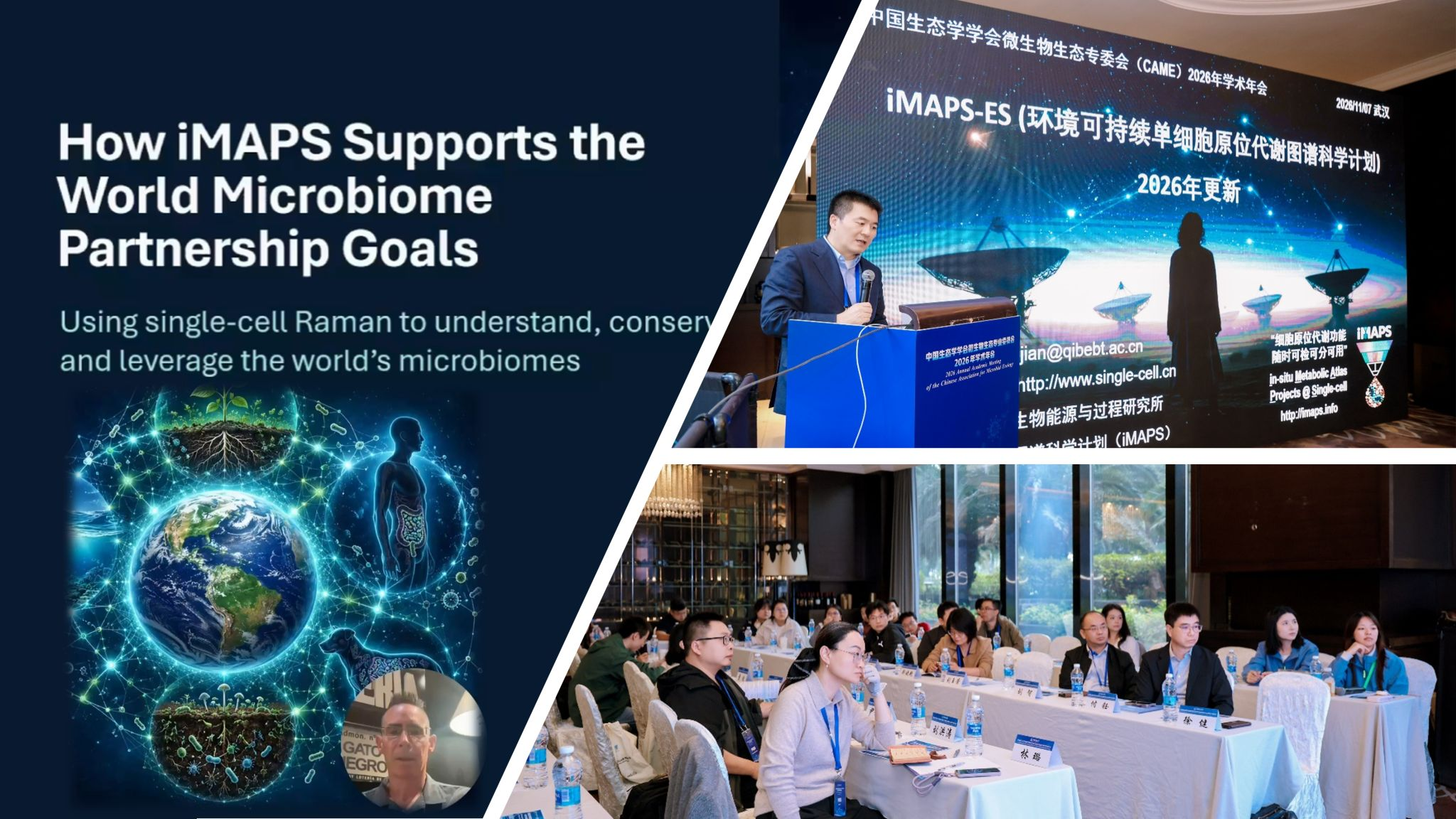
Microorganisms play essential roles in ecosystem processes, including carbon and nitrogen cycling, pollutant transformation, and environmental balance. However, understanding their actual metabolic activities in complex natural environments and efficiently recovering microorganisms with specific functions remain major challenges.
Addressing these challenges, iMAPS-ES leverages Metaramanomics as its core technology platform, integrating single-cell Raman spectroscopy, high-throughput Raman-activated cell sorting, and cultivation. Its integrated "sense–sort–cultivate–apply" workflow enables in situ metabolic characterization of living microbial cells, targeted recovery of functional microorganisms, and their subsequent application in environmental sustainability.
At the opening session, Prof. XU Jian and Prof. Rob Knight of the University of California, San Diego (UCSD) (the latter via video) highlighted the transformative potential of Ramanomics in deciphering complex microbial communities and discovering valuable functional microorganisms.
Invited presentations from researchers at several universities and research institutes showcased applications of Raman-based technologies across diverse ecosystems, covering aquatic microbial analysis, probiotic adaptation, soil pollutant degradation, functional endophyte discovery, heavy-metal remediation, and microbiome-mediated metabolic processes. A Young Scientists Forum also provided a platform for six early-career researchers to share their latest findings in microbial ecology.
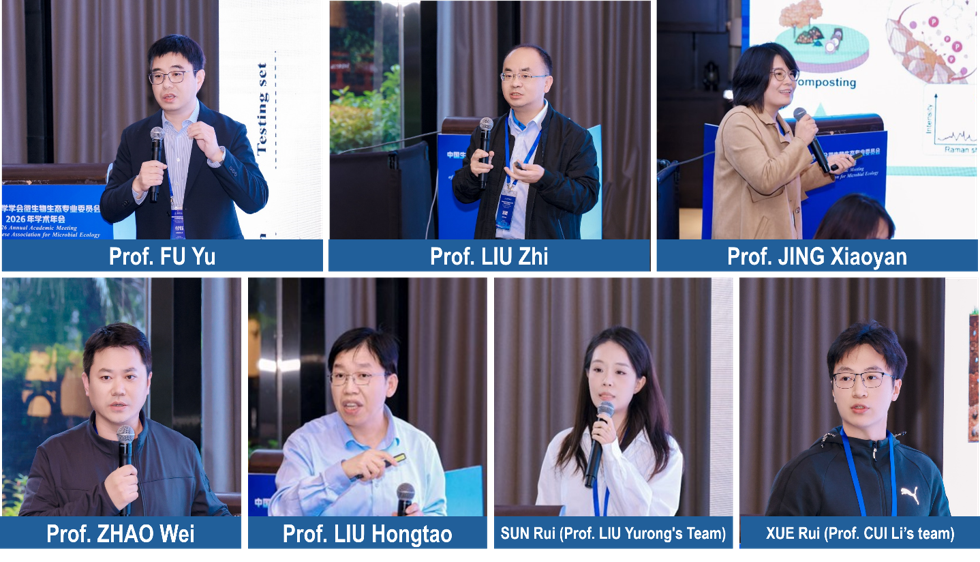
During the roundtable discussion, participants explored how single-cell technologies could advance functional analysis of environmental microbiomes and accelerate the translation of microbial discoveries into practical applications. They emphasized integrating Raman-activated cell sorting with sequencing, proteomics, metabolomics, and cultivation, while strengthening cross-disciplinary collaboration and resource sharing.
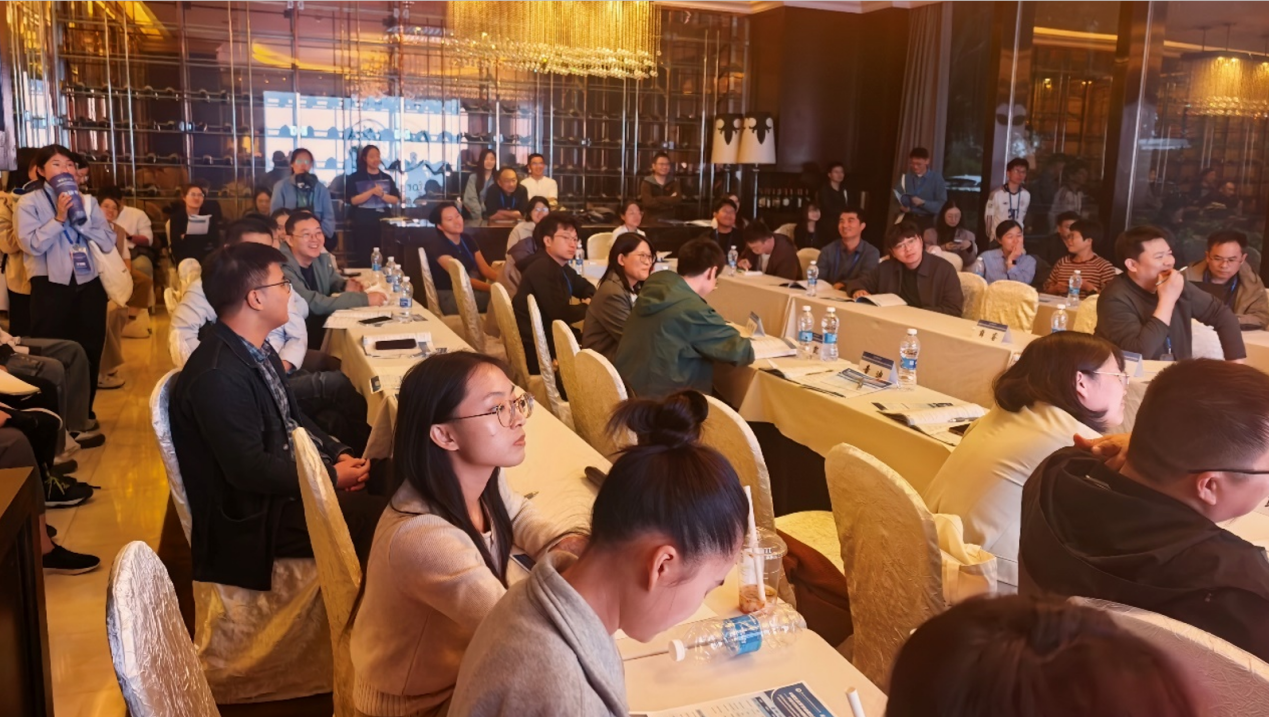
As a key component of the iMAPS International Scientific Program, iMAPS-ES focuses on environmental sustainability. With more than 100 exploration sites established worldwide, iMAPS is building a distributed global research network that aims to make microbial metabolic functions accessible for single-cell-level detection, targeted selection, cultivation, and application.
Launched in Qingdao in October 2024, with its second annual symposium held in Hangzhou in 2025, iMAPS-ES continues to expand its collaborative network. The 2026 Wuhan symposium marks another step toward connecting single-cell metabolic insights with functional microbial discovery and sustainable environmental solutions.
